Source adult modal eid scarf for Eid, Daily Wear, and Travel
Compare 23 adult modal eid scarf options from verified Chinese manufacturers. Buyers can evaluate materials like modal and polyester, sizes, and customization features for wholesale sourcing needs. Explore various styles including shawls and hijabs with digital or screen printing. Assess lead times, packaging details, and MOQ requirements to find the best fit for your business inventory and seasonal demands.
Key considerations
Products List




Comprehensive Sourcing Guide
Adult Modal Eid Scarf Sourcing Guide
Procuring adult modal Eid scarves requires distinguishing between specific fabric blends and generic polyester alternatives often listed under similar titles. The observed market data indicates a mix of Rayon and 100% Polyester materials, alongside genuine Modal options, which significantly impacts the drape and breathability essential for religious observance. Buyers must verify the exact fiber composition before ordering, as the term "Modal" is sometimes used loosely in listings to describe soft synthetic blends rather than the specific semi-synthetic fiber derived from beech pulp.
Commercial listings frequently display varying model numbers such as Modal-2, Modal-5, and Modal-10, suggesting distinct production runs or size variations rather than a single standardized product. This fragmentation necessitates a rigorous review of the product specifications to ensure the selected item meets the intended aesthetic and functional requirements for Eid celebrations. Procurement teams should prioritize suppliers who clearly define the material composition and model distinctions to avoid receiving generic polyester items when a specific Modal texture was requested.
Product Scope and Observed Listing Signals
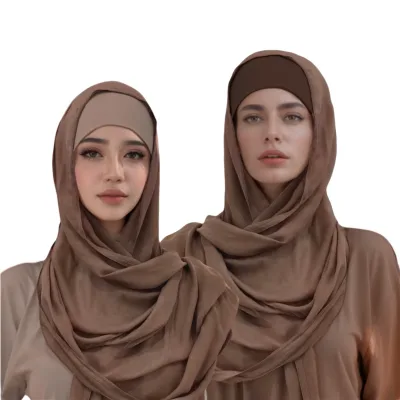
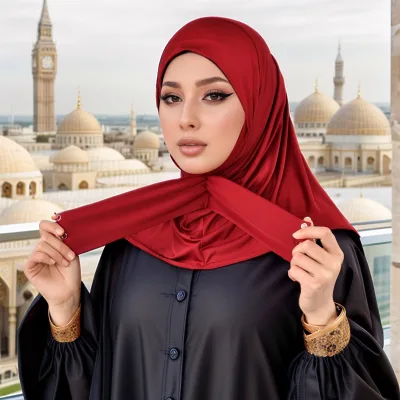
The observed product range includes items explicitly labeled as Printed Modal Hijab Scarves and fashion ninja scarves, indicating a broad scope that spans traditional religious wear to modern casual accessories. Listings show a variety of patterns ranging from solid colors to custom prints, with some items offering digital, screen, or heat transfer printing methods. This diversity allows buyers to source either minimalist solid designs or elaborate custom graphics, but it also requires careful filtering to ensure the pattern type aligns with the specific cultural or fashion needs of the target market.
Packaging and dimensional data reveal significant inconsistencies, with some batches listed at 70x180cm while others specify 180x90cm or 180x70cm dimensions. These discrepancies highlight the importance of verifying the final product size against the intended use case, as a scarf intended for full coverage may differ substantially from a lightweight fashion accessory. Buyers should treat the listed dimensions as observations rather than guarantees, requesting physical samples to confirm that the actual fabric size matches the advertised specifications before committing to a bulk order.
Technical Specifications to Verify
Fabric composition is the primary technical variable, with observed listings citing Rayon, 100% Polyester, and Modal as distinct material options. Since the tactile feel and moisture-wicking properties of Modal differ significantly from Polyester, buyers must explicitly confirm the fiber content in the purchase order to ensure the product delivers the expected softness and drape. Relying on the product name alone is insufficient, as the same title may be applied to different material blends depending on the specific production batch or supplier capability.
Dimensional standards and packaging metrics also require strict verification, as the data shows conflicting size standards like 70180cm and 18070cm alongside varying package sizes. The gross weight per batch is listed as 15.000 KG for some items, which serves as a critical check for logistics planning and cost calculation. Procurement teams should demand a detailed specification sheet that confirms the exact length, width, and weight per unit to prevent discrepancies in shipping costs and inventory management upon delivery.
Compliance and Safety Documentation
While the provided data does not list specific certifications, buyers must ensure that any textile product intended for direct skin contact meets international safety standards for colorfastness and chemical residues. The absence of explicit certification details in the listing signals a need for proactive due diligence, where the buyer requests test reports for formaldehyde, pH levels, and azo dyes before finalizing the transaction. This verification is crucial for maintaining brand reputation and ensuring the safety of the end-user, particularly for garments worn during religious gatherings.
Labeling and origin information must be accurate to comply with import regulations in the destination market. The observed data lists origins in Zhejiang and Jiangsu, China, which are major textile hubs, but buyers should verify that the final product labeling correctly reflects the country of origin and fiber content as required by local laws. Failure to provide accurate documentation can lead to customs delays or rejection of the shipment, making it essential to confirm that the supplier can provide the necessary compliance paperwork alongside the physical goods.
Cost Drivers and Commercial Terms
Pricing in this category is influenced by the material choice, with genuine Modal typically commanding a higher price point than polyester or rayon blends. The observed price range of 1.02 to 9 USD suggests a wide variance based on fabric quality, printing complexity, and order volume. Buyers should analyze the cost per unit relative to the material composition to ensure they are not overpaying for a generic polyester item marketed as Modal, or conversely, underestimating the cost of high-quality semi-synthetic fibers.
Minimum Order Quantities (MOQ) and payment terms vary significantly, with some listings requiring a minimum of 50 pieces while others allow for smaller batches. Payment methods such as PayPal, Western Union, or TT are common, but the specific terms should be negotiated to balance risk and cash flow. Additionally, sample fees and lead times, which range from 5-7 days for samples to 20-25 days for delivery, must be factored into the total cost of ownership and the overall procurement timeline to avoid delays in meeting market demand.
Supplier Qualification and Quality Control
Supplier qualification should focus on their ability to consistently deliver the specific material and dimensional specifications observed in the market. Given the variation in model numbers and fabric types, a qualified supplier must demonstrate a robust quality control process that verifies fiber content and dimensions for every batch. Buyers should request evidence of their production capabilities, including the ability to handle custom printing methods like digital or screen printing without compromising the fabric integrity.
Quality control checks must extend to the packaging and labeling accuracy, as inconsistencies in package size and weight can indicate broader production issues. The observed data shows varying package dimensions and weights, which suggests that standardization may not be uniform across all suppliers. Implementing a pre-shipment inspection protocol is essential to ensure that the received goods match the agreed-upon specifications regarding size, weight, and material composition, thereby mitigating the risk of receiving substandard or incorrect products.
Long-Term Procurement Checks
Establishing a long-term relationship with a supplier requires regular audits of their ability to maintain consistent quality and delivery timelines. The variability in lead times and model numbers observed in the market indicates that production processes may fluctuate, making it vital to establish clear performance metrics for on-time delivery and defect rates. Buyers should schedule periodic reviews to assess whether the supplier can consistently meet the specific requirements for Modal scarves without compromising on material quality or dimensional accuracy.
Market trends and consumer preferences for Eid scarves evolve, necessitating a flexible procurement strategy that can adapt to changing demands for colors, patterns, and fabric types. Suppliers should be evaluated on their capacity to innovate and offer new designs, such as custom prints or updated fabric blends, to keep the product line competitive. Continuous communication and feedback loops are essential to ensure that the supplier remains aligned with the buyer's strategic goals and can respond effectively to shifts in the market landscape.
FAQs
What materials are used for adult modal eid scarves?
Adult modal eid scarves are primarily made from modal and rayon materials. Some listings also specify 100% polyester or cotton blends. These fabrics ensure softness and comfort for daily wear during the Eid season.
Which sizes are available for these hijab scarves?
Standard sizes include 70 by 180 cm and 180 by 70 cm dimensions. The product models range from Modal-2 to Modal-10, catering to adult users. Custom sizing options may be available depending on the specific supplier requirements.
Can I customize the printing methods for these scarves?
Yes, customization is available through digital print, screen print, or heat transfer print methods. Buyers can also choose from printing, jacquard, or embroidery logo options. The pattern type can be solid or customized to specific designs.
What is the minimum order quantity for wholesale purchases?
The minimum order quantity typically starts at 50 pieces for wholesale orders. Some suppliers may accept orders as low as 5 units, while others require up to 100 units. The selling units are often structured as multiples of 50.
How long does it take to receive the goods?
Delivery times generally range from 7 to 25 working days depending on the supplier. Sample preparation takes about 5 to 7 days before bulk production begins. Lead times vary based on order volume and specific factory schedules.
Where are these scarves manufactured and shipped from?
These scarves are manufactured in China, specifically in Zhejiang and Jiangsu provinces. The products originate from these regions before being shipped to international buyers. Standard packaging is used for bulk shipments to ensure safety during transit.
What payment terms are accepted for these orders?
Accepted payment methods include PayPal, Western Union, and Telegraphic Transfer. Buyers should confirm specific terms with the supplier before finalizing the transaction. These options provide flexibility for international B2B transactions.